Top Tips for Preventing Plumbing Disasters in Your Home May 07, 2026
Start by regularly inspecting your home’s plumbing. This doesn’t require professional expertise; simple checks can reveal potential problems. Look under sinks for leaks, inspect visible pipes for corrodes or moisture, and watch out for water stains on ceilings and walls. Catching leaks early can prevent more extensive damage to your home and save you a significant amount in repair costs.
Understand the limitations of your plumbing system. Overloading drains with fats, oils, or large food particles can lead to stubborn clogs. Similarly, flushing items like wipes or sanitary products, even those marked as flushable, can cause major blockages in your sewer system. Educating all members of your household about what can and cannot be disposed of down the drains and toilets is key to maintaining the functionality of your plumbing.
Water pressure that is too high can strain your pipes, leading to breaks and leaks. The optimal water pressure for a home is typically between 40-60 PSI. You can test your water pressure using a gauge attached to an outdoor spigot. If your water pressure is too high, consider installing a pressure regulator. This small investment can extend the life of your plumbing system and prevent unexpected bursts.
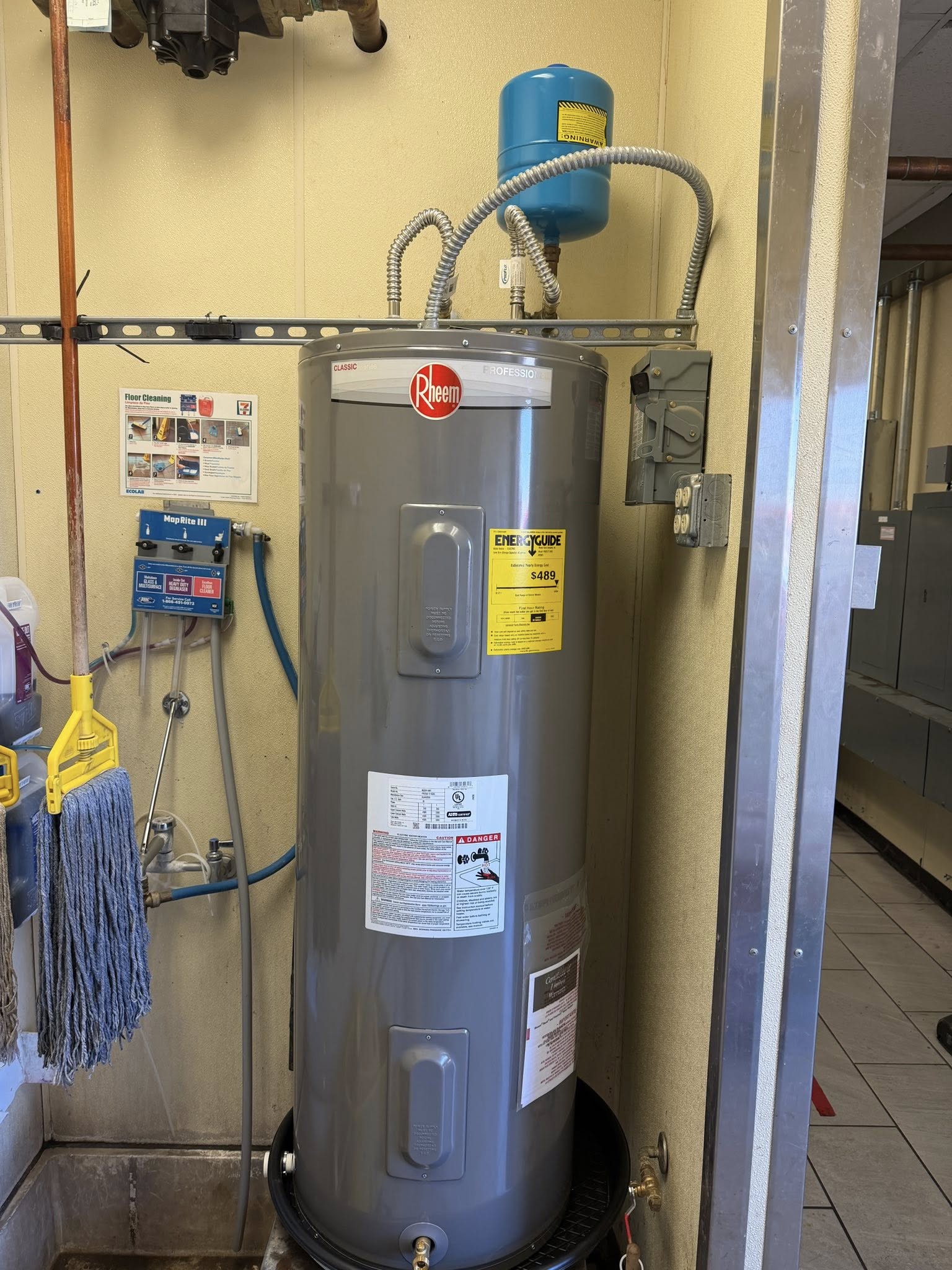
It’s also wise to consider the state of your water heater. Regular annual maintenance, including flushing sediment build-up and testing the pressure relief valve, ensures it runs efficiently. This not only helps prevent leaks and water damage but also improves your water heater's performance, potentially lowering energy costs.
During colder months, pipe insulation becomes critical to protect against freezing. Frozen pipes can burst, leading to severe water damage. Use foam pipe insulation on exposed pipes in unheated areas of your home such as basements, garages, or attics. On particularly cold nights, opening cabinet doors to let warm air circulate around plumbing and allowing a trickle of water to flow through taps can prevent freezing.
Incorporating routine maintenance tasks can also stave off potential disasters. Schedule regular professional inspections with trusted plumbers like those at Red Dirt Plumbing. Their expertise can identify issues not immediately visible, such as tree roots invading your sewer line or wear inside your pipes.
Finally, know the location of your main water shutoff valve. In the event of a major leak, being able to quickly stop the flow of water into your home can prevent extensive damage.
Homeowners who take the time to implement these preventive measures often find themselves thanking their foresight in maintaining a well-functioning, problem-free plumbing system. Keeping these tips in mind will not only safeguard your home but also provide peace of mind. For further assistance or professional inspections, Red Dirt Plumbing is always ready to ensure your home runs smoothly without any unexpected plumbing surprises.
/filters:no_upscale()/filters:format(webp)/media/fccc77f8-71b3-4a07-90a6-f162d9973baa.jpeg)